My Sleep Journey: Why I Started Tracking My Sleep
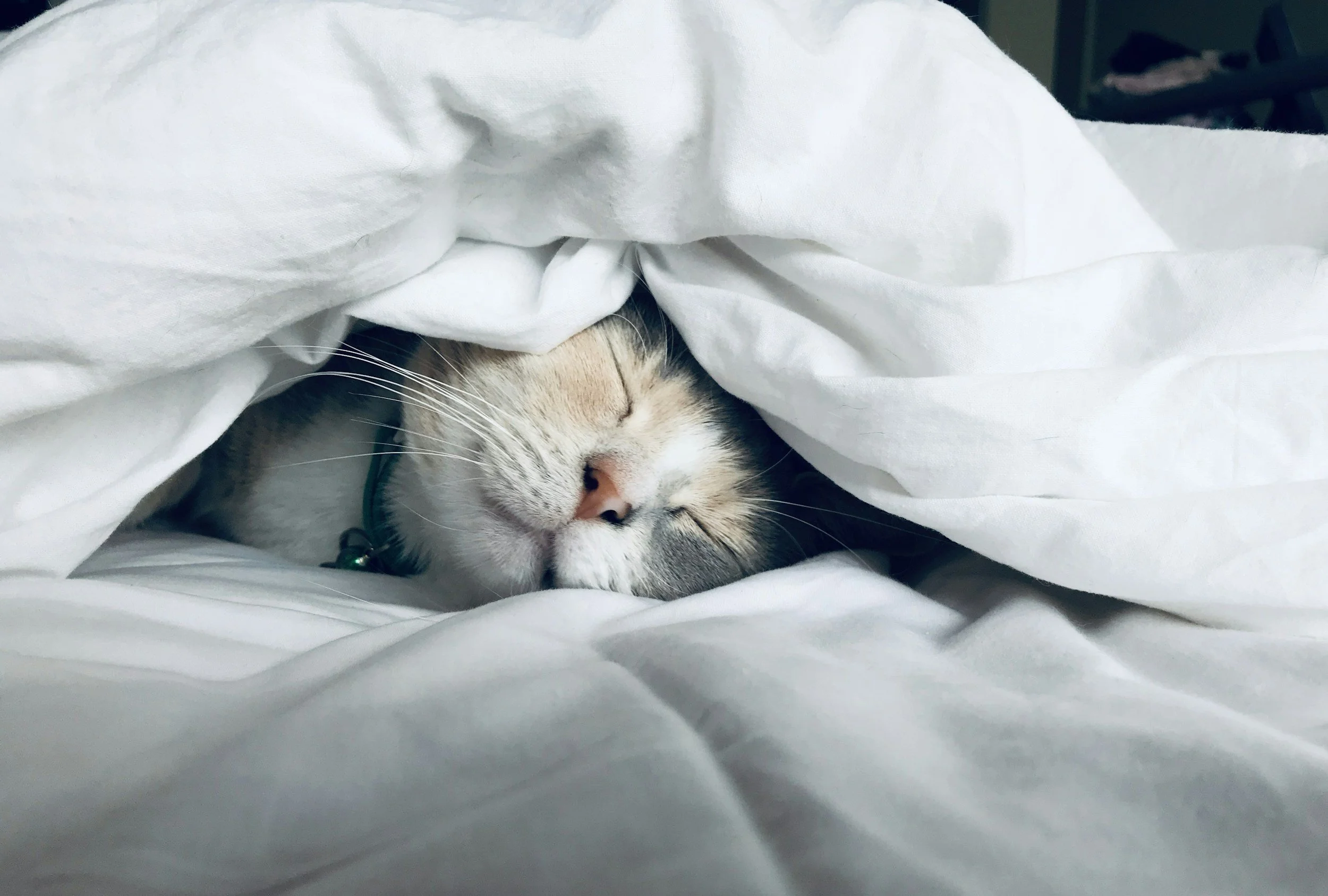
For most of my adult life, I’ve struggled with low energy levels and fatigue. Sleep has been something I never thought too deeply about - I went to bed, I woke up, and whatever happened in between was just…sleep. Honestly, I assumed this was just how I was and that I had to live with it. Feeling tired all the time felt normal, and I didn't think much about trying to change it.
Recently, my dog has been unwell a couple of times during the night. Since then, my brain has gone into this strange state of alertness, as if it’s permanently listening out for the slightest movement. I wake up to tiny sounds I never would have noticed before. It’s not dramatic, but it’s disruptive enough that I started to feel the effects during the day: foggy mornings, tense shoulders, and that underlying sense that I hadn’t fully switched off.
At first, I told myself it was just a phase. But when a rough few nights turned into a pattern I couldn’t ignore, I realised I needed more than guesswork. I needed information.
Why I Started Tracking
I decided to start tracking my sleep because I wanted to fully understand what was happening while I was asleep. Was I waking up more than I realised? Was my sleep actually as broken as it felt? Was anxiety pulling me into lighter sleep stages?
Seeing the data laid out in Apple Health made something click. It wasn’t just in my head - my nights were fragmented, and my sleep cycles were nowhere near as smooth as they should be. Tracking became less about numbers and more about clarity. Instead of wondering what the night had looked like, I could see it.
What I’ve Been Struggling With
My biggest challenge has been staying asleep. Even on nights when I fall asleep easily, I often shift into this hyper-aware mode where I’m listening subconsciously for anything out of place. It’s exhausting, but it also becomes a habit - almost like my nervous system hasn’t caught up with the fact that everything is fine.
There’s also a snowball effect: a few disturbed nights lead to more anxiety about sleep, which leads to even lighter sleep. Add in a couple of late nights with family and that familiar “I’m starting over again” feeling, and you’ve got a recipe for a cycle I want to break.
What I Hope To Achieve
I’m not aiming for perfect sleep - just better sleep. I want nights where I feel safe enough to drift deeply, without that little internal alarm going off at 3am. I want mornings where I wake up before my alarm because I’m genuinely rested, not because I’ve been half-awake for an hour already.
Tracking my sleep is just the first step. I’m also experimenting with tools like supplements and a weighted blanking, and I’m committing to a more intentional evening routine. My hope is that by understanding my patterns - and sharing this journey publicly - I can create a sense of accountability for myself while also helping anyone who finds themselves in the same boat.
Because if there’s one thing I’ve learned already, it’s that so many of us struggle with sleep in quiet private ways. Maybe by being a little more open about it, I can not only improve my own nights but make someone else feel a bit less alone in theirs.
Here’s to better sleep, one night at a time.
Andie x
DISCLAIMER: I’m not a sleep expert, medical professional, or therapist - just someone sharing my personal experience with sleep, what I’m trying, and what’s been helping me. Everyone’s sleep patterns and needs are different, so please don’t take anything on my blog as medical advice. If you’re dealing with long-term sleep problems, significant anxiety, or anything that’s affecting your daily life, it’s always best to speak with a qualified healthcare professional.